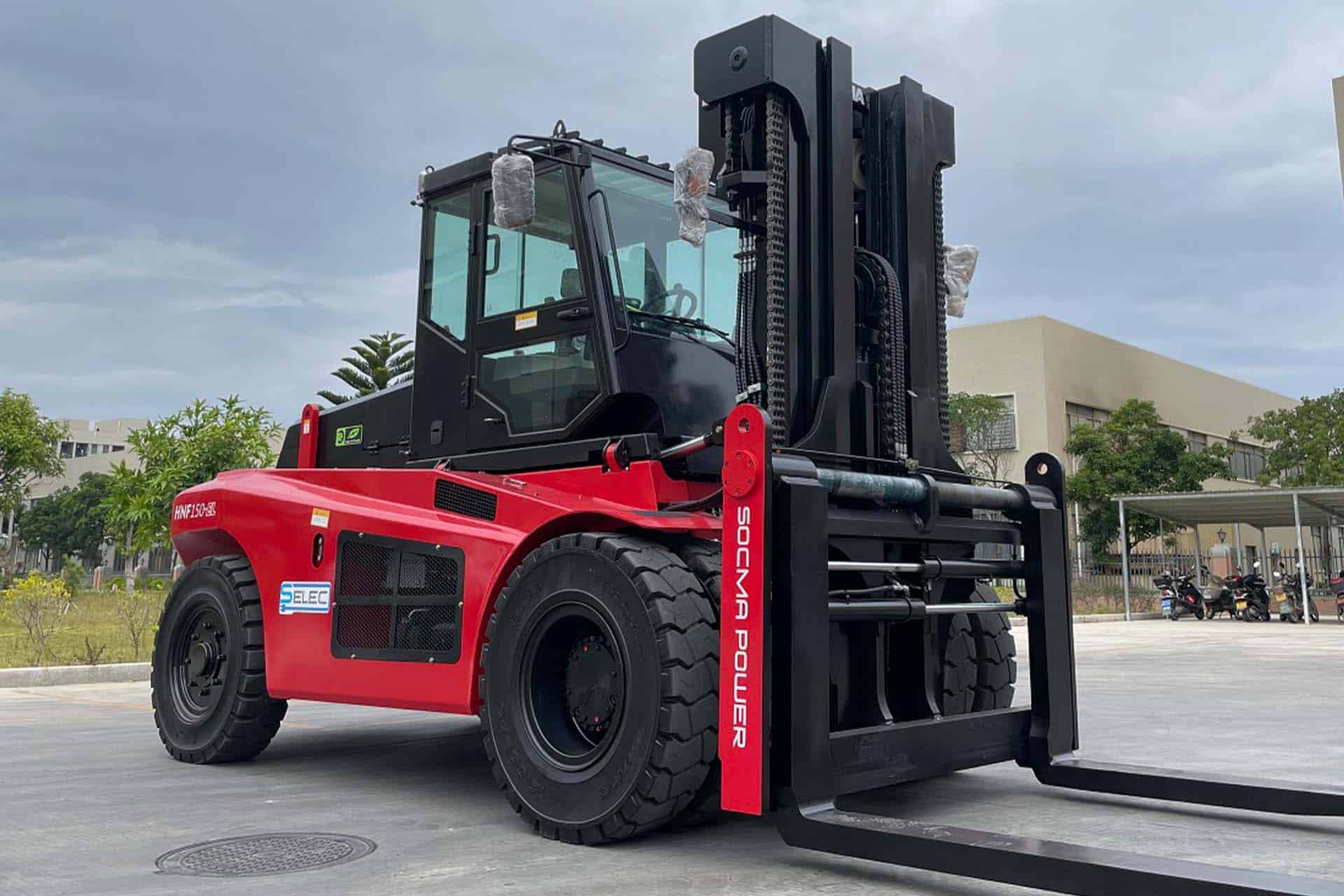
The Power Shift in Material Handling Choosing the right forklift power source is a strategic decision that affects your long-term operational costs and workplace safety. While both electric and diesel models are essential in modern logistics, they serve very different operational needs.
Operational Costs and ROI
Electric Forklifts: While the initial purchase price is higher due to battery costs, the Total Cost of Ownership (TCO) is significantly lower. Electricity is cheaper than fuel, and with fewer moving parts (no engine or transmission), maintenance costs are reduced by up to 40%.
Diesel Forklifts: These offer a lower upfront cost but higher long-term expenses. Continuous fuel purchases and complex engine maintenance (oil changes, filter replacements) lead to higher operational overhead.
Performance and Endurance
Electric: Ideal for precision work. They offer instant torque and smooth control, perfect for high-density warehouse environments. However, they typically require a recharge after an 8-hour shift.
Diesel: Built for heavy-duty, multi-shift operations. They provide consistent power for lifting massive loads and can be refueled in minutes, making them the standard for 24/7 industrial sites.
Indoor vs. Outdoor Application
Indoor (Electric): Zero emissions and near-silent operation make them mandatory for food, pharmaceutical, and indoor retail warehouses. They protect worker health and maintain indoor air quality.
Outdoor (Diesel): Engineered for rugged terrains, inclines, and all-weather conditions. They are the go-to choice for construction sites, ports, and open lumber yards.
How to Choose?
Choose Electric for indoor efficiency, low maintenance, and environmental compliance.
Choose Diesel for extreme heavy lifting, outdoor durability, and continuous long-distance hauling.
Maximize your warehouse productivity today. Contact Bory Machinery for expert equipment consultation and factory-direct pricing!
 English
  Spanish
  Russian
  Arabic