Introduction Heat is the primary enemy of engine life. When hauling heavy loads over 1,000kg, your cooling system determines whether your tricycle stays on the road or ends up in the repair shop.
Option 1
Water-Cooled Engines (For Heavy-Duty Work) Water-cooled engines use a radiator and pump to circulate coolant. This keeps the engine at a stable temperature regardless of outside heat.
Best For: Heavy cargo (over 1.5 tons), long-distance driving, and hot tropical climates.
Pros: Exceptional heat management, stable power output, and longer engine lifespan.
Cons: Higher initial cost and requires checking coolant levels.
Option 2
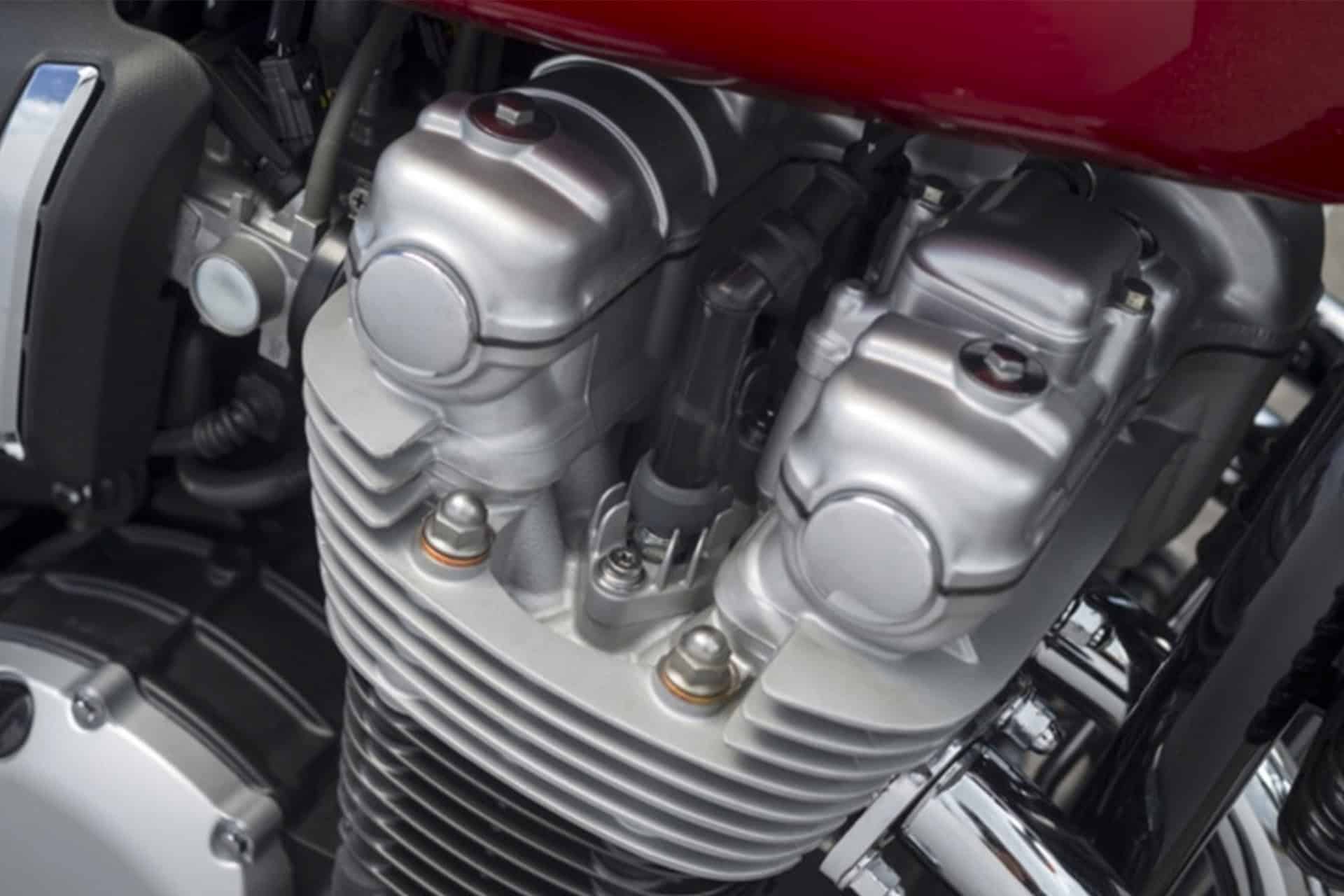
Air-Cooled Engines (For Simple Utility) Air-cooled engines rely on the wind and cooling fins to dissipate heat. There are no radiators or pumps to maintain.
Best For: Short-distance deliveries, light payloads, and budget-conscious buyers.
Pros: Lower purchase price, simple maintenance, and fewer parts that can break.
Cons: Risk of overheating during long runs or in heavy traffic.
Option 3
Forced-Air Cooling (The Hybrid Choice) A fan is added to an air-cooled engine to blow air over the cylinder. It is a middle-ground solution that offers better reliability than standard air cooling at a lower cost than water cooling.
Summary: How to Choose?
Choose Water-Cooled if you operate 8+ hours a day with maximum loads.
Choose Air-Cooled if you do quick, local trips and want low maintenance.
Contact Bory Machinery today for expert advice on choosing the right engine for your local terrain!
 English
  Spanish
  Russian
  Arabic